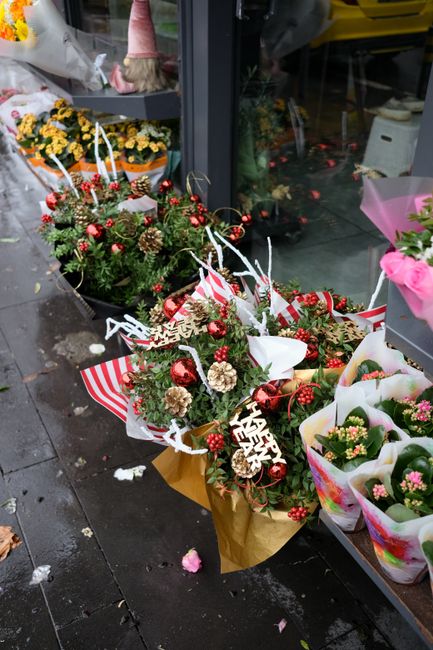
Floral waste disposal rules Hammersmith and Fulham Council
Posted on 28/10/2026
Floral waste disposal rules Hammersmith and Fulham Council: a practical guide for homes, businesses and events
If you are dealing with spent bouquets, wedding arrangements, event leftovers, or florist waste, the Floral waste disposal rules Hammersmith and Fulham Council can feel oddly specific at first. One minute you have a gorgeous display; the next, you are staring at a pile of stems, wrapping, ribbon, and soggy leaves wondering what on earth goes where. To be fair, that is a very normal problem. And in a busy London borough, the right disposal method matters more than people think.
This guide breaks the topic down in plain English. You will learn what floral waste usually includes, how council-style disposal expectations work in practice, what to avoid, and how to stay tidy, compliant, and efficient whether you are a household, venue, florist, or office. Let's keep it simple, useful, and local.
Table of Contents
- Why these rules matter
- How the disposal process works
- Key benefits and practical advantages
- Who needs this and when it makes sense
- Step-by-step guidance
- Expert tips for better results
- Common mistakes to avoid
- Tools, resources and recommendations
- Law, compliance, standards and best practice
- Options and methods compared
- Case study or real-world example
- Practical checklist
- Conclusion
- Frequently asked questions
Why Floral waste disposal rules Hammersmith and Fulham Council Matters
Floral waste looks harmless. Mostly it is. But once flowers have wilted, they can become messy, heavy, and surprisingly awkward to handle. Broken stems, damp paper, compostable wraps, plastic ties, foam, and mixed packaging all behave differently. If they are thrown together without thought, you can end up with smells, leaks, contamination, or an overflowing bin that nobody wants to empty.
In Hammersmith and Fulham, that matters for a few reasons. First, waste collections are designed to handle different material streams in different ways. Second, shared streets, basement bins, service yards, and communal storage areas can be tight on space. And third, businesses that generate regular floral waste, such as florists, hotels, restaurants, event planners, and funeral directors, often need a cleaner routine than a one-off household disposal.
It is also a reputation issue. If you run a flower business or host events, how you manage waste says a lot about your standards. A neat waste routine feels invisible when done well, but when it goes wrong, everyone notices. The bin lorry smells, the floor gets slippery, and suddenly a simple cleanup turns into an avoidable nuisance.
Practical takeaway: treat floral waste as a small waste-management task, not just "rubbish." Separate what can be reused, recycled, composted, or safely bagged before it goes out.
There is another subtle point here. Floral waste often comes with customer-facing moments: weddings, sympathy tributes, anniversaries, corporate receptions, and seasonal events. In those settings, a tidy disposal approach is part of the experience. Nobody remembers the bin itself. They do remember whether the room looked fresh at the end of the evening.
How Floral waste disposal rules Hammersmith and Fulham Council Works
The basic idea is straightforward: floral waste should be separated and disposed of according to its material type, volume, and the way your property or business waste service operates. The council does not expect everyone to treat one wilted bouquet like an industrial job. But it does expect waste to be presented sensibly and safely.
In practice, floral waste usually falls into a few groups:
- Organic plant material: stems, petals, leaves, roots, and cut flowers.
- Green waste style material: garden-like organic matter, if it is suitable for composting or organic collection.
- Mixed packaging: paper wraps, cardboard sleeves, tags, ribbons, cellophane, tape, and elastic.
- Non-organic extras: floral foam, plastic trays, wire, plastic pots, vases, and decorative accessories.
The trick is that not everything attached to a bouquet belongs in the same bin. Flowers themselves may be organic. The packaging around them often is not. This is where people get caught out, especially when a delivery arrives in layers of paper, film, and ties. You can't just toss the whole thing in and hope for the best. Well, you can, but it is rarely the tidy option.
For homes, disposal may be as simple as separating the flowers from packaging and placing the acceptable parts in the correct bin. For businesses, it often involves a more formal routine: internal sorting, waste storage, scheduled uplift, and sometimes dedicated collections for larger volumes. If you are managing regular floral inputs, a little process saves a lot of stress.
If you also need to think about how flowers are handled before disposal, the page on flower care is useful because better care often means less premature waste in the first place. And if you are looking at broader sustainability habits, the company's sustainability information fits naturally with a lower-waste approach.
One more practical note: timing matters. Floral waste left too long, especially in warm weather, can wilt further, compact into a heavier mass, and start smelling sooner than you expect. A small bundle at 9am can feel like a very different problem by 5pm.
Key Benefits and Practical Advantages
Following a sensible floral waste process brings benefits that go beyond "keeping the bin area tidy." In real life, the upside is mostly about control, hygiene, and less faff. And yes, less faff is a real advantage.
- Cleaner waste storage: separated flowers, packaging, and non-organic items are easier to manage.
- Better hygiene: less rot, dampness, and residue in bin rooms or back-of-house areas.
- Reduced contamination: recyclable or organic material is less likely to be ruined by mixed rubbish.
- Fewer collection issues: neatly presented waste is usually easier for collection crews to handle.
- More efficient operations: staff spend less time re-sorting mistakes later.
- Better presentation: especially important for hospitality, events, and customer-facing businesses.
There is also a sustainability angle, though it needs to be handled carefully. Some floral waste can be diverted from general rubbish if it is clean, organic, and accepted by the relevant collection route. That does not mean every bloom is "recyclable" in a simple sense. But it does mean you can often reduce mixed waste and make better use of materials.
For businesses that send flowers regularly, good disposal habits also make purchasing decisions clearer. For example, if a florist keeps ending up with large volumes of hard-to-manage foam or plastic-heavy packaging, that can feed back into product choice, supplier choice, and display design. A small operational change can have a surprisingly big ripple effect.
Who This Is For and When It Makes Sense
Not everyone needs the same level of floral waste planning. A single household bouquet is one thing. A hotel lobby, wedding venue, or busy flower shop is another. So the right approach depends on your setting, the volume of waste, and how often it appears.
Households
If you are clearing a vase after a birthday, anniversary, or sympathy arrangement, you usually just need to separate the flowers from packaging and follow the correct bin rules. It sounds simple because, most of the time, it is. Still, it is worth checking whether anything attached to the arrangement needs special handling, especially foam, wire, or plastic ribbon.
Florists and flower retailers
Florists handle offcuts, unsold stock, packaging, and display waste on a routine basis. That means more sorting, better storage, and a clearer disposal system. If your team is busy wrapping orders, answering the phone, and dealing with deliveries, waste management can slip through the cracks. Then the back room starts looking like a botanical aftermath. Not ideal.
Wedding and events teams
Events generate concentrated waste in a short window. One ceremony can produce more floral material than a household does in months. Here, the sensible move is to plan waste collection before the event ends, not after everyone has gone home and the room is half-dark and full of tired people carrying tablecloths.
Hospitality, offices and venues
Reception flowers, table arrangements, and seasonal displays are often forgotten until they wilt. If your site has regular floral installations, a simple routine helps: who removes them, where they go, and when collections happen.
When it makes sense to be more formal
Use a formal disposal routine if you have:
- frequent floral deliveries
- large event displays
- mixed organic and non-organic waste
- shared bin stores
- customer-facing spaces where smell or mess is a concern
If that sounds like your situation, the difference between "we'll sort it later" and a proper process is very noticeable.
Step-by-Step Guidance
Here is a practical way to deal with floral waste without overcomplicating it.
- Remove obvious non-organic items first. Take off plastic wrap, tape, foam, ribbons, pins, and wire where possible. If a bouquet is tied tightly, use care so you do not scatter small bits everywhere.
- Separate clean organic material. Stems, leaves, petals, and other plant matter should be grouped together if they are suitable for your waste stream.
- Check packaging rules. Cardboard sleeves may be recyclable if clean. Compostable-looking film is not always accepted everywhere, so do not assume. When in doubt, keep it separate until you know.
- Bag or store waste properly. Use the right container for your site. Damp floral waste should not sit loose on floors or in open piles.
- Empty waste regularly. The longer it sits, the faster it turns into a smell issue. Especially in warmer rooms or near kitchens.
- Keep a labelled system. Even a small note on the bin store can help staff remember which waste goes where.
- Review the route for bulk waste. If you regularly generate a lot of flowers, arrange a collection method that matches the volume instead of forcing everything into general bins.
For many people, the easiest habit change is the first one: split the bouquet into components before it goes anywhere near the bin. It takes a minute, maybe two. That minute saves a lot of mess.
If you are sending flowers out rather than disposing of them, the page on delivery gives a good sense of the care and timing side of flower handling. The better the handling, the less waste you tend to create later.
Expert Tips for Better Results
A few small habits make a big difference. Honestly, these are the sorts of things that separate a smooth waste routine from a mildly chaotic one.
- Pre-sort at source: unwrap arrangements where they arrive, not after they have been moved three times.
- Use a "dry first" approach: keep wet stems away from paper and cardboard until you are ready to separate them.
- Train everyone the same way: one person putting foam in the wrong place can undo a whole bin system.
- Keep a spare liner or tray handy: it helps when stems shed water or leaves drop unexpectedly.
- Watch mixed materials: decorative sprays, glued embellishments, and wired pieces often need extra sorting.
- Don't let waste wait overnight: if you can avoid it, do.
One useful real-world trick: place a small "sorting station" near unpacking or design tables. A few separate bags or boxes for organic waste, packaging, and non-recyclables makes the process almost automatic. It also stops the classic shuffle from one end of the room to the other with dripping stems in hand. Nobody enjoys that part.
Another tip is to match disposal practice to your busiest days. If Friday afternoons are when deliveries pile up, build a slightly stronger waste routine for that window. Small operational tweaks like this are often more effective than big, fancy systems that nobody remembers to use.
If you handle corporate or hospitality orders, the corporate accounts page is relevant because repeat business usually benefits from repeatable systems. And if you need the basics of business terms and service expectations, the site's terms and conditions can help set the wider context.
Common Mistakes to Avoid
Most floral waste mistakes are not dramatic. They are just the sort of small slip that makes everything clumsy later.
- Mixing everything together: flowers, packaging, foam, and plastic all in one bag creates contamination and makes sorting harder.
- Ignoring wet waste: damp stems left with paper can turn the whole bag unpleasant fast.
- Forgetting hidden materials: floral foam, thin wire, and taped decorations are easy to miss.
- Overfilling bins: squashed floral waste can leak and smell more quickly.
- Assuming "natural" means compostable everywhere: not every organic-looking item is accepted in every collection route.
- Leaving waste in display areas: it looks untidy and can attract pests or create slip risks.
A lot of people also make the mistake of treating all flower waste as if it were identical. It is not. A bunch of roses wrapped in paper is very different from a wedding centrepiece with floral foam, ribbon, and decorative picks. Same family, very different disposal needs.
And yes, there is a human side to this. People are often rushing after an event, or packing down a shop at the end of the day, and the bin decision becomes a "just put it there for now" moment. That one move is usually where the trouble starts. Funny how that works.
Tools, Resources and Recommendations
You do not need expensive equipment to manage floral waste well. Most of the help comes from simple, practical tools.
| Tool or resource | What it helps with | Best for |
|---|---|---|
| Separate waste bags or containers | Sorting organic material from packaging | Homes, florists, venues |
| Labelled bin system | Clear staff or household sorting | Businesses and shared spaces |
| Covered storage area | Reducing smell and mess before collection | Busy back-of-house areas |
| Basic waste checklist | Preventing missed items like foam or wire | Events and retail teams |
| Reusable crates or trays | Keeping stems tidy while sorting | Florists and event setups |
If you are operating a flower business, a regular stock-and-waste routine is worth its weight in time saved. Keeping an eye on over-ordering is part of the story too. Fewer unsold stems means less waste at the end of the week.
It is also sensible to keep a brief internal note that explains your own disposal routine. That can be useful for temporary staff, event crews, or anyone helping out on a busy day. Clear instructions beat vague memory every time.
For product planning, the all flowers collection and florist choice style arrangements can be helpful references when you are thinking about variety, volume, and how much packaging a given setup might produce. If you are working to a budget and want to avoid overbuying, the cheap flowers range may also be useful in a practical sense.
Law, Compliance, Standards, or Best Practice
This topic sits in a fairly everyday part of waste management, but it still connects to wider duties around cleanliness, proper waste segregation, and safe storage. If you run a business, you should treat floral waste like any other operational waste stream: keep it tidy, store it safely, and make sure it does not create nuisance or contamination issues.
Best practice usually means:
- sorting waste before disposal where practical
- keeping organic and non-organic materials separate
- avoiding overflow in shared bins
- storing waste securely until collection
- using an appropriate collection route for your volume
If you are a household, the expectation is simpler: use the correct household bins and do not place unsuitable items in them. If you are a business, especially one producing repeated floral waste, the expectations are more operational. You should think in terms of routine, not just occasional tidy-ups.
There is also a broader sustainability expectation in London businesses now. Not in a preachy way, just practically. Waste reduction, packaging awareness, and smarter ordering are part of modern operations. If your floral arrangements come with excessive plastic or oversized packaging, it is fair to ask whether there is a cleaner alternative.
When legal certainty matters, especially for a commercial premises, it is worth checking the latest local guidance directly through the relevant official channels. Rules can change, collection arrangements can vary by property type, and some waste streams need specific handling. That part matters.
Options, Methods, or Comparison Table
There is more than one way to deal with floral waste. The right option depends on what the waste is, how much there is, and how often it appears.
| Method | Best use | Pros | Limitations |
|---|---|---|---|
| General rubbish | Small mixed waste that cannot be separated cleanly | Simple and immediate | Less sustainable, can be messy if damp |
| Organic/green waste route | Clean plant material with minimal contamination | Better for organic diversion | Not all items qualify |
| Recycling stream | Clean cardboard, paper sleeves, some packaging | Reduces landfill-style disposal | Contaminated packaging may be rejected |
| Dedicated business waste collection | High-volume florists, venues, hotels | Reliable and scalable | Requires planning and likely ongoing cost |
For most people, the best answer is a blend. Organic waste where suitable, packaging separated where possible, and general waste only where necessary. That is the sweet spot. Not glamorous, but effective.
If your business sends flowers as part of customer orders, services like next-day flower delivery Hammersmith W6, same-day flower delivery Hammersmith W6, and send flowers Hammersmith W6 can influence volume and packaging flow. That is not a waste rule in itself, of course, but it shapes the disposal workload behind the scenes.
Case Study or Real-World Example
Imagine a small Hammersmith venue hosting a spring celebration for 60 guests. The decor includes a mix of table posies, a floral entrance arrangement, and a few larger statement pieces. The event team clears the room after the last toast, and by 10:30pm they are looking at a table full of stems, ribbon, paper sleeves, and a couple of foam blocks from larger arrangements.
In the first version of the cleanup, everything goes into one bag. By morning, the bin area smells damp, the bag has split slightly, and some packaging has become soggy. Not dramatic, but annoying. The next time around, the team uses three containers: one for plant material, one for packaging, one for non-organic decorative parts. They also clear the waste before leaving the venue. The result is much better: less mess, less smell, and fewer complaints from staff arriving the next day.
That is the whole lesson really. It is rarely about complicated rules. It is usually about using the right bin for the right part of the arrangement, at the right time.
For florists, the same logic applies to regular deliveries. A quick sort after unpacking can stop a back-room pile-up. For households, it might just mean separating a bouquet into two or three parts before putting it out. Small thing. Big difference.
Practical Checklist
Use this checklist before disposing of floral waste in Hammersmith and Fulham.
- Have I separated flowers, stems, and leaves from packaging?
- Have I removed ribbon, wire, tape, foam, and plastic components?
- Is the organic material clean enough for the correct waste stream?
- Have I kept wet waste away from paper and cardboard?
- Is the waste bag or container suitable and not overfilled?
- Do I know whether this is household waste or business waste?
- Have I stored the waste safely until collection?
- Have I checked for any unusual items that need special handling?
- Is the bin area clean, dry, and easy to access?
- Do staff or household members know the routine?
If you can tick most of those off, you are already doing better than a lot of people. Truth be told, the whole process is much easier once it becomes habit.
Quick summary: separate first, store neatly, dispose using the right route, and do it before the waste becomes a smell or contamination issue. Simple, but effective.
For seasonal planning, browsing specific collections like best sellers, weddings, or funerals can also help businesses anticipate what kind of flower volume and packaging they will be handling.
Conclusion
The Floral waste disposal rules Hammersmith and Fulham Council topic is really about being tidy, sensible, and consistent. Whether you are clearing a vase at home or managing a steady flow of arrangements for a shop or venue, the winning formula is the same: separate materials properly, reduce contamination, and keep waste moving before it becomes a problem.
The good news is that this does not need to be complicated. A clear routine, a couple of labelled containers, and a bit of planning go a long way. And once your team or household gets used to it, the whole thing becomes almost invisible. Which is exactly how good waste management should feel.
Get a free quote today and see how much you can save.
Keep your floral waste system simple, keep it clean, and you will make life easier for everyone involved.
Frequently Asked Questions
What counts as floral waste?
Floral waste usually includes spent flowers, stems, leaves, petals, trimmings, and sometimes wrapping or display materials that are no longer usable. It can also include foam, ribbon, wire, plastic sleeves, and other parts attached to arrangements.
Can I put flowers in the general bin?
Sometimes, yes, especially for small household amounts, but it depends on what else is attached to them. Clean plant material is different from mixed bouquet waste. If there is packaging, foam, or wire, separate those items first where possible.
Are wilted flowers recyclable?
Not in the usual household recycling sense. Some organic floral material may be suitable for an organic or green waste route if accepted, but flowers themselves are not standard dry recyclables.
Do I need to remove ribbon and plastic wrap first?
Yes, that is usually the sensible approach. Ribbon, cellophane, tape, and ties are often not suitable for the same bin as the flowers. Separating them improves sorting and reduces contamination.
What should florists do with offcuts and unsold stock?
Florists should build a routine for sorting plant material, packaging, and non-organic items. If the volume is regular, a dedicated waste process is usually more efficient than handling it ad hoc.
Can floral foam go in the same bin as flowers?
Usually no. Floral foam is a non-organic material and is often a separate disposal issue. It should be kept apart from plant waste and handled according to the correct waste route for your premises.
How quickly should floral waste be removed?
As soon as practical. Damp flowers and stems can start to smell and break down quite quickly, especially in warm indoor spaces. Regular removal keeps storage areas cleaner and easier to manage.
Is there a difference between household and business floral waste?
Yes. Households typically deal with occasional small volumes, while businesses may have repeated waste streams, higher volumes, and more packaging. Businesses usually need a more formal disposal routine.
What is the best way to avoid smell from flower waste?
Separate wet plant material from paper and packaging, empty bins regularly, and do not leave floral waste sitting in warm rooms. A lidded container or covered storage area helps too.
Do weddings and events need special flower waste planning?
They often do, simply because the volume appears all at once. It helps to plan who clears the flowers, which waste stream each part goes into, and when the rubbish will leave the venue.
Where can I get help if I run a flower business in Hammersmith and Fulham?
If your business produces regular flower waste, it is worth reviewing your waste routine, storage setup, and ordering habits. You may also want to look at broader service pages such as about us and contact us for support and business enquiries.
What is the simplest rule to remember?
Separate the flowers from the non-organic bits before disposal. That one habit solves most of the common problems and keeps the rest of the process much smoother.