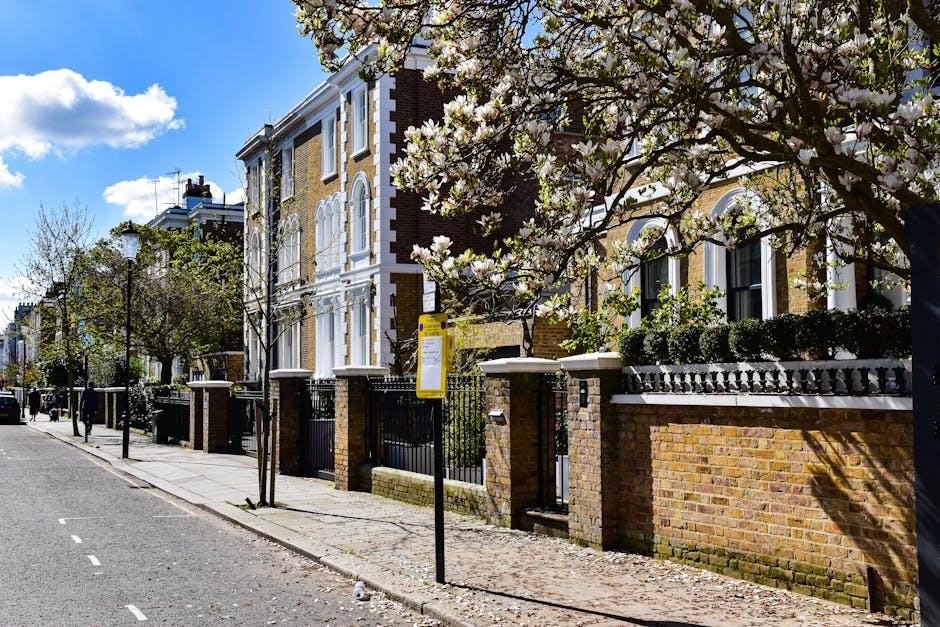
Hammersmith and Fulham Council rules for street flowers displays
Posted on 11/10/2026
If you are planning a street flowers display in Hammersmith and Fulham, the details matter more than most people expect. A neat basket of blooms outside a shop can lift a whole pavement. But if it blocks the footway, creates a trip hazard, or sits where the council considers it an obstruction, it can quickly turn from charming to troublesome. The Hammersmith and Fulham Council rules for street flowers displays are really about balancing appearance, safety, access, and responsibility. Get that balance right, and the result is lovely. Get it wrong, and you may be asked to move it on the same day.
This guide explains the practical side in plain English: what these rules usually mean, how councils tend to assess street displays, what to check before placing flowers outside, and how to avoid the common mistakes that lead to complaints. If you want a display that looks welcoming and stays compliant, you are in the right place.

Table of Contents
- Why Hammersmith and Fulham Council rules for street flowers displays Matters
- How Hammersmith and Fulham Council rules for street flowers displays Works
- Key Benefits and Practical Advantages
- Who This Is For and When It Makes Sense
- Step-by-Step Guidance
- Expert Tips for Better Results
- Common Mistakes to Avoid
- Tools, Resources and Recommendations
- Law, Compliance, Standards, or Best Practice
- Options, Methods, or Comparison Table
- Case Study or Real-World Example
- Practical Checklist
- Conclusion
- Frequently Asked Questions
Why Hammersmith and Fulham Council rules for street flowers displays Matters
Street flowers displays look simple from the outside. A planter, a basket, maybe a few seasonal blooms. Easy, right? Not quite. In a busy borough like Hammersmith and Fulham, pavements carry constant foot traffic: shoppers, parents with buggies, wheelchair users, delivery drivers, dog walkers, and people rushing for the Tube. A display that feels small to you can feel large to someone else, especially on a narrower pavement or near a junction.
That is why the rules matter. They help keep the public highway usable and safe while still allowing businesses and property owners to add some colour to the street. The real issue is not flowers themselves; it is placement, visibility, and whether the display interferes with normal use of the footway. A well-kept arrangement can be a positive part of a shopfront. A badly placed one can become a nuisance in minutes.
To be fair, most problems are avoidable. The awkward bits usually come from assumptions: "It's only temporary", "It's light enough to move", or "No one will mind". Then a pram gets stuck, a bin crew struggles past, or rain makes a display wobble into the path. Suddenly the council is involved.
Expert takeaway: treat a street flowers display like any other item placed in the public realm. If it affects access, movement, safety, or sightlines, it needs careful thought before it goes outside.
How Hammersmith and Fulham Council rules for street flowers displays Works
There is no single one-line answer that covers every pavement display in every location. In practice, the council's expectations usually sit within broader rules about using the public highway, preventing obstruction, and keeping the area safe and accessible. That means the exact position, size, weight, stability, and time the display remains outside all matter.
Here is the basic logic councils generally use:
- Is the display on the highway? If it is on a public pavement or road edge, the council may treat it as a highway matter.
- Does it obstruct movement? The path must remain usable for pedestrians, pushchairs, mobility aids, and cleaning crews.
- Could it cause a hazard? Think tipping, tripping, sharp edges, water spill, or reduced visibility near crossings and driveways.
- Is there any permission needed? Some items on or near the highway may require prior approval or a licence, depending on what is being placed and where.
- Will it be maintained? A display that sheds petals, leaks water, or becomes untidy can cause complaints even if it began well.
In real life, the council usually cares most about impact. A small floral arrangement tucked safely against a building line may be less problematic than a larger stand sitting in the middle of a busy footway. That said, there is no universal "safe" size. You have to look at the street itself. A generous pavement in one part of the borough is not the same as a pinch point near a corner in another.
If you already operate a local floristry business, you may find this sits alongside other site-specific considerations such as delivery timings, frontage presentation, and customer flow. If that sounds familiar, our local pages for florist services in Hammersmith W6 and flower shops in Hammersmith W6 can help you think through the practical side of running a visible street-facing display.
One small thing people miss: wet weather changes everything. A display that seems fine on a dry lunchtime can become slippery, heavier, or more awkward after a shower. London weather loves a surprise, doesn't it?
Key Benefits and Practical Advantages
Done properly, street flowers displays offer more than decoration. They can improve how a business feels, how a street looks, and even how customers behave when passing by. The advantages are real, but they only hold up if the display is managed sensibly.
- Better kerb appeal: Fresh flowers give a frontage warmth and visual interest, especially in grey months when the street can feel a bit flat.
- More welcoming atmosphere: People tend to linger longer near pleasant, well-kept entrances. You notice it straight away.
- Stronger brand image: A thoughtful display signals care and attention, which reflects well on nearby services and products.
- Seasonal flexibility: Displays can be changed through the year, from bright summer arrangements to subtle winter styling.
- Local distinctiveness: In a busy borough, a tasteful floral frontage can help a business stand out without shouting.
There is also a practical business benefit: displays can support footfall when they are tidy and in keeping with the street. People often photograph attractive shopfronts. Sometimes they stop to look in the window. Sometimes they simply remember the place for next time. That little edge matters.
For customers placing flowers rather than displaying them outside a premises, the same aesthetic care applies. If you want gifts that arrive neatly and on time, you might also find it useful to compare options such as same-day flower delivery in Hammersmith W6 or next-day flower delivery in Hammersmith W6 for those last-minute moments when timing is everything.
Who This Is For and When It Makes Sense
This topic is most relevant to anyone planning to place flowers or floral features in a public-facing location near a pavement, frontage, or entrance in Hammersmith and Fulham. That includes more people than you might think.
- Florists creating attractive shopfront arrangements or temporary street displays.
- Independent retailers wanting to soften a frontage or improve street appeal.
- Cafes and restaurants using floral decor near seating or entrances.
- Event organisers planning wedding or celebration styling near an external entrance.
- Property managers refreshing entrances to improve presentation for tenants or visitors.
- Residents wondering whether they can place decorative flowers outside a home or on a shared pavement edge.
It also matters if your display is part of a wider seasonal change. A spring arrangement outside a shop is one thing. A fuller summer setup with planters, signage, and customer queuing is another. The more objects you put into the public space, the more careful you need to be.
Truth be told, if you are asking whether your display "counts", that is usually a sign to slow down and check before putting it out. A quick pause can save a frustrating conversation later. Not glamorous, but useful.
Step-by-Step Guidance
If you want to approach this properly, use a simple process rather than relying on guesswork. That is the difference between a display that works and one that creates hassle by Wednesday afternoon.
- Assess the location carefully. Look at the width of the pavement, nearby kerbs, entrances, lampposts, bins, cycle stands, and any pinch points. Stand back and imagine a wheelchair user, a buggy, or a delivery trolley passing through.
- Decide whether the flowers stay private or enter public space. A display kept entirely inside your property line is usually simpler. Once it crosses into the pavement area, the rules and risks change.
- Choose a stable format. Heavier planters, weighted bases, and secure containers are usually better than lightweight arrangements that can blow over. If it wobbles in a light breeze, that is a red flag.
- Keep the footprint small and tidy. The display should feel intentional, not sprawling. A compact arrangement is often easier to manage and less likely to obstruct movement.
- Check visibility from the road. Anything near an access point, junction, or crossing should not block sightlines. That includes tall arrangements and signs surrounded by flowers.
- Plan for maintenance. Flowers wilt, petals fall, and water spills. Decide who will water, remove damaged stems, and sweep the area. A display that looks lush at 9 a.m. may need attention by late afternoon.
- Confirm whether permission or advice is needed. If you are unsure, ask before placing the display. It is much easier to get the answer early than to reverse-engineer a problem after a complaint.
- Review it regularly. Weather, foot traffic, and seasonality all change how a display behaves. What was fine last week may not be fine now.
A useful habit is to take a quick photo from a pedestrian's eye level. If the display looks cramped in the photo, it will probably feel cramped in real life too. Simple, but surprisingly effective.
Expert Tips for Better Results
The best displays are not just pretty. They are deliberate. They suit the street, the business, and the pace of local foot traffic. Here are a few practical tips that help in the real world, not just on paper.
- Work with the building line. Keep flowers as close as practical to your frontage if the layout allows. That usually leaves the main pedestrian flow clearer.
- Use containers that look good when empty. If the display is seasonal, you may need to remove flowers occasionally. The pot or basket should still look tidy on its own.
- Choose blooms that suit the exposure. A sunny spot, shaded recess, or windy corner all call for different choices. The same arrangement may behave very differently in each.
- Avoid clutter around the flowers. Too many extras can make a display feel messy and increase obstruction risk. Less is often better.
- Keep watering under control. Overspill on a pavement is not just untidy; it can create a slippery patch.
- Think about evening visibility. If the street is busy after dark, a display should still be visible enough to avoid accidental knocks.
In our experience, the best-looking frontage is usually the one with a little restraint. People notice elegance before excess. A handful of well-placed stems can do more than a crowded arrangement spilling over the edge like it missed the bus.
And yes, if your display has to survive a gusty afternoon on a London high street, strength matters as much as style.

Common Mistakes to Avoid
Most compliance issues with street flowers displays come from the same handful of mistakes. If you can avoid these, you are already ahead of many well-meaning people.
- Blocking the pedestrian route: Even if people can squeeze past, that does not mean the route is genuinely acceptable.
- Underestimating the space needed: A display that seems "small enough" indoors can feel much larger on a narrow pavement.
- Using unstable containers: Lightweight stands and loose pots can tip, slide, or drift in wind.
- Ignoring nearby access points: Doorways, dropped kerbs, crossovers, and bin collection points all need room.
- Letting the display deteriorate: Drooping blooms, dead leaves, and messy water trays create the impression of neglect.
- Assuming permission is automatic: Just because a display looks harmless does not mean it is automatically allowed on the highway.
- Forgetting the maintenance plan: A display is not a one-off placement; it is an ongoing responsibility.
One of the more common mistakes is simply not checking at the right moment. Someone orders the flowers, the basket arrives, and by the time anyone asks the question, the display is already outside. That is backwards. Always better to ask first.
Tools, Resources and Recommendations
You do not need specialist equipment to manage a good street flowers display, but a few practical tools make a big difference.
- Tape measure: Useful for checking how much pavement space the display really takes up.
- Phone camera: Helps you assess sightlines, obstruction, and how the display looks to passers-by.
- Weighted planter or secure base: Reduces the risk of movement in wind or accidental knocks.
- Water tray or liner: Helps control spills and keeps the pavement cleaner.
- Simple maintenance log: Handy if staff need to know when the display was watered, trimmed, or replaced.
- Local floor-standing florist display knowledge: If you run a shop, experience with shopfront arrangements, seasonal stock, and local delivery timings can be valuable.
If your flowers are part of a broader business presentation, it can also help to think about supply and service quality. Our pages on flower delivery in Hammersmith W6, best flower delivery in Hammersmith W6, and flower care are useful if you want a display that looks good from arrival through to the end of the day.
For customers choosing flowers to send rather than to display on the street, browse the wider range at all flowers or seasonal styles like summer flowers and flowers in a vase. Those pages can help if you need a presentation that is tidy, stable, and easy to keep fresh.
Law, Compliance, Standards, or Best Practice
With a topic like this, it is safest to treat the public highway as a shared space with strong expectations around safety and access. While local practice can vary depending on location and the exact setup, a sensible street flowers display should generally align with these principles:
- Keep access clear: Pedestrians must be able to move through without awkward detours or squeeze-past situations.
- Avoid hazards: No sharp edges, unstable containers, hidden trip points, or pooling water.
- Protect visibility: Do not place items where they interfere with sightlines for drivers or road users.
- Respect neighbouring users: Adjacent businesses, residents, and delivery crews may also rely on the same stretch of pavement.
- Maintain a clean condition: Mess, debris, and decaying flowers can create complaints even when the original display was fine.
Best practice is to assume that a council or enforcement officer will look at the display from the viewpoint of a pedestrian first. Can they pass safely? Can they see clearly? Does it feel controlled? Those are the questions that matter.
There is also a wider business compliance angle. If you place a floral display as part of a shopfront, you may need to think about insurance, staff responsibility, slip prevention, and how quickly the display can be removed if required. None of that is especially glamorous, but it is the stuff that keeps small issues from becoming bigger ones.
Best-practice rule of thumb: if a display needs regular apology, adjustment, or rescue, it is probably too ambitious for the space.
Options, Methods, or Comparison Table
There is more than one way to create a street flowers display. The right option depends on space, footfall, maintenance capacity, and how exposed the frontage is.
| Display method | Best for | Pros | Watch-outs |
|---|---|---|---|
| Wall-mounted or window-adjacent flowers | Narrow pavements and busy frontages | Usually less obstruction, neat appearance | Must still avoid overhang and water spill |
| Small weighted pavement planter | Moderate space with clear route width | Attractive and visible, easy to refresh seasonally | Needs careful placement and regular upkeep |
| Clustered floral baskets | Controlled shopfront styling | Can create a strong visual theme | Easy to overcrowd if not managed carefully |
| Large decorative street feature | Events or managed settings | High impact, strong visual statement | More likely to need permission and careful oversight |
If you are unsure which method suits your frontage, start smaller than you think you need. It is much easier to scale up a calm, tidy display than to rescue an oversized one after it causes friction.
Case Study or Real-World Example
Picture a small independent florist on a busy Hammersmith street on a mild spring morning. The owner wants to place two large baskets outside the shop entrance to draw attention to a new seasonal range. The flowers are beautiful: soft pinks, whites, a bit of fresh green, the kind of thing people glance at twice.
At first, the baskets sit a little too far out. They look lovely, but they narrow the pedestrian route at a point where people are already avoiding a signboard and a bike stand. A customer with a buggy pauses, changes direction, and edges around the display. It is only a few seconds, but enough to show the problem. The owner moves the baskets closer to the wall line, trims the outer stems, and swaps to heavier containers so they sit more securely. The whole frontage still looks inviting. Now it also works.
That is the practical sweet spot. The display keeps the atmosphere, but it respects the street. No drama. No complaints. Just a better fit for the space.
Later that week, the same florist uses the arrangement style inside for mixed colours and best sellers on the retail side, which gives the shop a consistent look without pushing the display too far into public space. It sounds small, but these little adjustments often make the difference between a display people enjoy and one they quietly resent.
Practical Checklist
Use this checklist before placing flowers outside in Hammersmith and Fulham. A quick run-through now is far easier than a messy reset later.
- Have I checked whether the flowers will sit entirely on private property or extend onto the pavement?
- Is there enough clear pedestrian space for buggies, wheelchairs, and two people passing comfortably?
- Will the display block any doorway, dropped kerb, crossing sightline, or access point?
- Is the container stable enough for wind, bumps, and wet weather?
- Have I planned how to stop water spilling onto the walking surface?
- Can the display be removed quickly if needed?
- Do staff know who is responsible for watering and maintenance?
- Will the flowers still look tidy at the end of the day, not just in the morning?
- Have I checked whether any council permission or local guidance is needed?
- Does the display still feel calm and proportionate rather than crowded?
If you can answer yes to most of those, you are on the right track. If not, pause and adjust before going ahead. Simple as that.
Get a free quote today and see how much you can save.
Conclusion
The main thing to remember about Hammersmith and Fulham Council rules for street flowers displays is that the display itself is not the issue. The issue is how it fits into shared space. A good arrangement adds charm, comfort, and a bit of local character. A poor one creates friction, and nobody wants that on a busy London pavement.
If you keep the focus on access, stability, cleanliness, and proportion, you will avoid most of the headaches. And if you are ever unsure, take that extra minute to assess the pavement properly. It is a small act, but it saves time, stress, and awkward conversations later. Honestly, that is usually the best bit of advice.
Done well, a street flowers display can brighten an entire stretch of Hammersmith and Fulham. Quietly, beautifully, and without getting in anyone's way. That is the ideal.
Frequently Asked Questions
Do I need permission for street flowers displays in Hammersmith and Fulham?
Possibly, depending on where the flowers sit and how much of the public highway they affect. If the display is on or near the pavement, it is wise to check whether council approval or another form of permission is needed before placing it outside.
Can I put flowers outside my shop without causing a problem?
Yes, sometimes you can, but only if the display does not obstruct pedestrians, create a hazard, or interfere with access. The safest approach is to keep it compact, stable, and tucked close to the frontage.
What counts as an obstruction?
An obstruction is anything that makes the pavement harder to use safely. That can include planters, baskets, signs, or even a display that forces people to squeeze past or step into the road.
Are flower baskets treated differently from planters?
Not really in principle. What matters is the impact on the space, not the label. A basket can be just as much of a problem as a planter if it blocks the route or creates a trip risk.
How wide should the pedestrian route be?
There is no one-size-fits-all number that suits every pavement. The practical question is whether a range of users can pass comfortably and safely. If the street already feels tight, extra caution is needed.
Can I use seasonal floral displays for events?
Yes, but event displays often need more care because they are larger, more temporary, and more likely to attract foot traffic. Temporary does not automatically mean simple.
What happens if the council says the display must be moved?
Usually you will need to move it or modify it promptly. A quick, cooperative response is always better than waiting for the issue to become a formal complaint.
Do I need insurance for a street flowers display?
If you are running a business and placing items in public space, public liability cover and sensible risk planning are worth considering. It is not just about the flowers; it is about what they might affect if they are knocked, tipped, or spilled.
How do I keep flowers safe in windy weather?
Use heavier containers, keep arrangements lower, and avoid lightweight stands that can topple. In exposed spots, the display should be designed for stability first and looks second. Ideally both, of course.
Can I leave flowers out overnight?
That depends on the location, the display type, and the level of risk. If the area is busy after hours or the flowers could be damaged, moved, or become untidy, overnight placement may not be practical.
What is the biggest mistake people make with street floral displays?
The biggest mistake is assuming the display is too small to matter. In a real street environment, even a modest arrangement can cause problems if it sits in the wrong place.
Where should I start if I want a compliant display?
Start with the pavement itself. Measure the available space, check access routes, think about pedestrians first, and only then choose the flowers and container. That order matters more than people realise.